
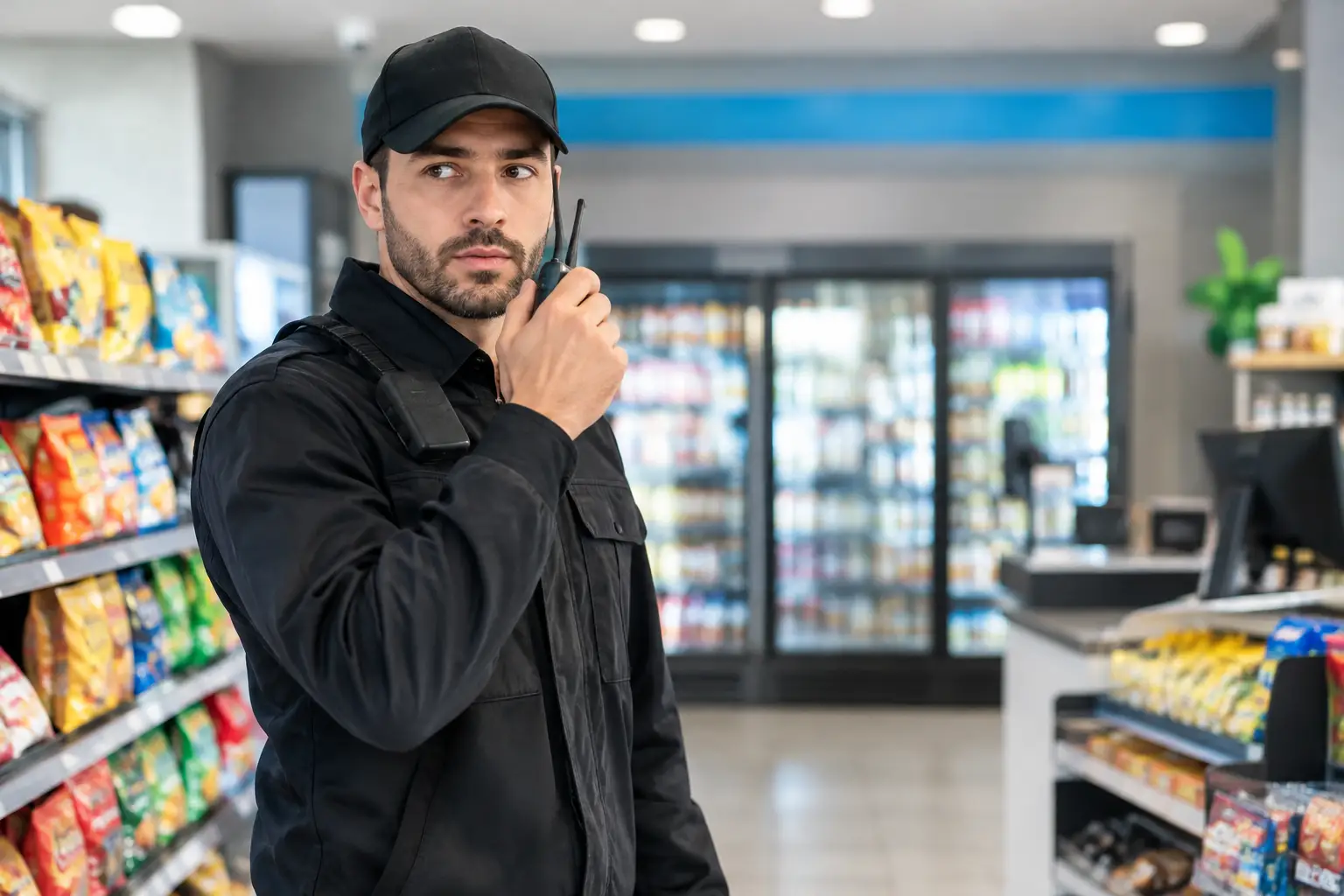
A missing case of energy drinks, a cash drawer that comes up short, or an employee who feels unsafe closing alone can each signal a larger problem. Effective convenience store loss prevention is not about treating every customer with suspicion. It is about creating a store environment where employees can work confidently, customers feel welcome, and opportunities for theft, fraud, and violence are reduced before an incident occurs.
For convenience store owners and operators, losses often come from more than shoplifting. Internal theft, cash-handling errors, vendor discrepancies, fuel theft, robbery risk, and poor access control can all affect the bottom line. The right approach connects physical security, daily procedures, employee training, and consistent management follow-through.
Start With a Realistic View of Loss
Loss prevention works best when it begins with facts rather than assumptions. Review inventory shortages by category, shift, delivery day, and store location. Look at cash overages and shortages, voids, refunds, no-sale register openings, lottery transactions, and fuel-drive-off reports. A single unusual transaction may be an honest mistake. A repeated pattern deserves attention.
This review should be fair and objective. Employees should understand that controls protect them as well as the business. Clear procedures make it easier to identify a training issue, correct a process problem, or investigate potential misconduct without relying on rumors or personal opinions.
Convenience stores also face a different exposure than many other retail businesses. Long operating hours, limited staffing, cash transactions, age-restricted products, and high-demand merchandise create frequent opportunities for loss. A plan that works for a large department store may not fit a small neighborhood market or a fuel station open late at night.
Convenience Store Loss Prevention Begins at the Counter
The sales counter is the operational center of most convenience stores. It is also where cash, tobacco products, lottery tickets, keys, employee communication, and customer interactions meet. A clean, organized counter area supports both service and security.
Cash procedures should be simple enough to follow during a busy rush. Set a reasonable amount of cash that remains in the register, conduct documented drops when that limit is reached, and limit access to the safe and register functions. Employees should not share register codes or safe combinations. When several people use the same drawer without accountability, it becomes difficult to determine whether a shortage came from an error, a customer scam, or theft.
Managers should also review exception reports consistently. Excessive voids, refunds, discounts, canceled transactions, or manual price overrides can indicate training gaps, but they can also be used to conceal theft. The goal is not to monitor every employee aggressively. It is to notice patterns early and address them professionally.
Tobacco, nicotine products, alcohol, lottery materials, and other high-value items need controlled storage and regular counts. Stocking these items behind the counter helps, but it is not enough on its own. Assign responsibility for counts, document discrepancies, and reconcile inventory on a dependable schedule. The tighter the accountability, the fewer unexplained losses have room to grow.
Design the Store So Staff Can See and Respond
Good store design does not need to feel restrictive. It should make it easier for employees to see customers, merchandise, entrances, and parking areas. Sightlines matter. Tall displays near the register or entrance can create blind spots. Cluttered windows can block visibility from inside and reduce natural observation from outside.
Keep aisles orderly and avoid stacking promotional displays where they obstruct cameras or employee views. High-theft items may need to be moved closer to the counter, placed in locked displays, or protected with appropriate product-security measures. The best choice depends on the item, the store layout, sales volume, and the customer experience you want to preserve.
Lighting deserves the same attention. Bright, functioning lighting around entrances, fuel pumps, side areas, trash enclosures, and employee parking improves visibility and sends a clear message that the property is actively maintained. Burned-out fixtures and neglected exterior areas can make customers and employees feel less secure while giving offenders more cover.
Cameras are useful when they are placed with purpose. At minimum, coverage should capture entrances and exits, the checkout counter, register activity, high-value merchandise, safe areas, fuel islands, and key exterior approaches. Cameras should record clear images in both daylight and low light. A camera that cannot identify a face, transaction, vehicle, or direction of travel may offer limited value after an incident.
Just as important, someone must know how to retrieve footage. Test the system regularly, verify that dates and times are accurate, and establish how long recordings are retained. After a theft, dispute, or safety incident, delayed or missing footage can prevent a useful investigation.
Train Employees for Prevention, Not Confrontation
Employees are the strongest daily loss-prevention resource in a convenience store. A visible, attentive employee presence discourages many theft attempts without creating conflict. Simple customer service techniques, such as making eye contact, offering assistance, and acknowledging people who enter the store, show that the space is being observed.
Training should give employees specific guidance on what to do when they suspect theft. They should know who to notify, how to observe without escalating the situation, and when to call law enforcement. Staff should never be expected to chase, detain, or physically confront a suspected shoplifter. Merchandise can be replaced. An employee injury, violent confrontation, or legal exposure can be far more costly.
The same principle applies to robbery response. Employees should be trained to remain calm, comply when personal safety is at risk, observe details if they can do so safely, and call 911 once it is safe. Afterward, protect the scene, preserve video, document what occurred, and support the employees involved. A clear post-incident procedure helps prevent confusion during an already stressful event.
Training should also cover common scams. Cashiers may encounter counterfeit currency, distraction techniques, gift card or prepaid card fraud, return fraud, age-verification pressure, and requests to break large bills. Employees need permission to pause a transaction and ask for a manager when something does not feel right. That permission can prevent losses and reduce the pressure placed on newer staff members.
Protect Employees During Opening, Closing, and Overnight Shifts
Many security weaknesses appear outside regular daytime activity. Opening and closing procedures should reduce predictability and avoid placing one employee in a vulnerable position. If staffing and operating conditions allow, use two people for closing, cash counts, and trips to the bank deposit location. Vary deposit routines where practical, and never discuss cash amounts or schedules where customers can overhear.
For overnight operations, ensure employees have a reliable way to contact a supervisor or emergency services. Review panic alarm procedures, door-locking practices, and rules for admitting vendors or service personnel after hours. Delivery drivers, repair technicians, and contractors should be verified before they receive access to restricted areas.
Parking lots and fuel areas should be included in the store’s safety plan. Employees need to know when they should remain inside, when they should contact law enforcement, and how to report suspicious activity. Asking a lone employee to investigate a disturbance outside is not a security plan.
Use Consistent Procedures With Vendors and Deliveries
Vendor and delivery activity can create preventable inventory loss. Receiving should be documented, with counts verified against invoices whenever possible. A rushed handoff is an easy place for shortages, substitutions, or paperwork errors to go unnoticed.
Limit vendor access to only the areas needed for their work, especially when the store is busy or lightly staffed. Keep keys, back-room doors, storage cages, and office areas controlled. These measures are not an accusation against vendors. They are standard business practices that protect everyone involved by creating a clear record of access and accountability.
Know When an Assessment Is Worth It
Store owners are often close to the daily operation, which can make blind spots hard to see. A professional security assessment can provide an objective review of the property, employee routines, camera coverage, lighting, access points, cash controls, and emergency procedures.
The value is not just a list of problems. A useful assessment prioritizes practical recommendations based on the risks that matter most to that specific location. A small store in a quiet community may need a different plan than a high-volume fuel station near a highway or a location with frequent overnight activity.
East Coast Safety Consulting provides security assessments that help convenience store operators identify vulnerabilities and build realistic, actionable improvements. The goal is a safer environment for employees and customers, along with procedures that support everyday operations rather than slow them down.
Loss prevention is strongest when it becomes part of how the store operates every day: a well-lit entrance, an accountable cash drawer, an employee who knows when to ask for help, and a manager who follows up on patterns before they become major losses. Small, consistent decisions can protect the people who keep your store running and help your business stay prepared for what comes next.