
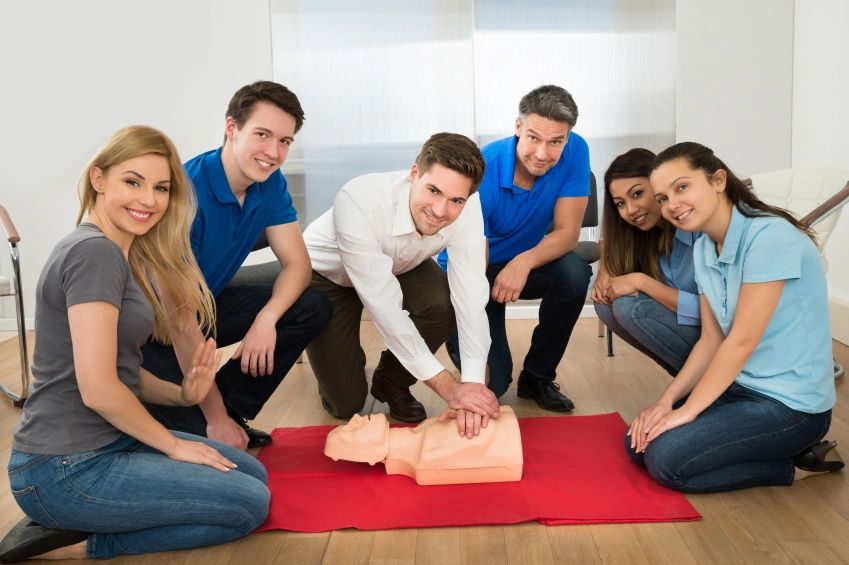
East Coast Safety Consulting provides hands-on CPR, First Aid, and AED certification classes for individuals, workplaces, schools, childcare providers, coaches, fitness professionals, community organizations, and other groups that want practical emergency-response training.
Depending on the training location and class schedule, students may choose an American Heart Association Heartsaver course or an American Red Cross First Aid, CPR, and AED program. Both options are designed to help participants recognize emergencies, begin immediate care, use an automated external defibrillator, and assist an injured or suddenly ill person until professional responders arrive.
Who Should Take CPR, First Aid and AED Training?
These courses are designed primarily for people with limited or no medical training who need certification for employment, licensing, workplace safety, volunteer service, or personal preparedness.
Students should confirm whether their employer, school, licensing agency, or governing organization requires a specific American Heart Association or American Red Cross course before registering.
Schools and Childcare
- Teachers and school employees
- Childcare providers
- Camp counselors
- Babysitters and caregivers
- School bus drivers
- Youth-program staff
Workplaces and Organizations
- Office employees
- Construction and industrial workers
- Security personnel
- Hospitality staff
- Workplace response teams
- Municipal employees
Community and Personal Training
- Parents and grandparents
- Coaches and athletic staff
- Fitness professionals
- Church staff and volunteers
- Scout and youth leaders
- Community members
American Heart Association Heartsaver Courses
American Heart Association Heartsaver courses are designed for people with little or no medical training who need a course-completion card for employment, regulatory, licensing, or workplace requirements. Heartsaver options may include CPR AED, First Aid, Pediatric First Aid CPR AED, or a combined First Aid CPR AED course.
Heartsaver CPR AED
This course focuses on recognizing cardiac arrest, performing CPR, using an AED, and responding to choking emergencies. Adult, child, or infant content may be included depending on the course selected.
Heartsaver First Aid CPR AED
This combined course includes CPR and AED instruction along with care for common injuries, sudden illnesses, environmental emergencies, and other situations requiring immediate first aid.
Heartsaver Pediatric First Aid CPR AED
Pediatric training is intended for people responsible for children, including childcare employees, teachers, camp staff, youth-program personnel, and caregivers.
Heartsaver Blended Learning
Selected Heartsaver courses may be available in a blended format that combines online coursework with an instructor-led, in-person skills session.
American Red Cross First Aid, CPR and AED Courses
American Red Cross courses provide practical instruction for recognizing and responding to cardiac, breathing, first aid, and environmental emergencies. Training options may be available for adults, children, infants, workplaces, schools, caregivers, and community responders.
Adult and Pediatric CPR AED
Participants learn how to recognize cardiac arrest, perform high-quality CPR, use an AED, provide rescue breaths when required, and assist a choking adult, child, or infant.
First Aid, CPR and AED
Combined Red Cross training may include CPR, AED use, bleeding control, shock, burns, injuries, sudden illnesses, and environmental emergencies.
Pediatric Training
Pediatric course options are designed for people who work with or supervise children, including childcare providers, teachers, camp staff, coaches, and youth volunteers.
Blended Learning Options
Some Red Cross programs may combine online learning with an in-person session where participants practice and demonstrate required skills.
AHA Heartsaver or American Red Cross: Which Course Should I Choose?
Both organizations offer recognized emergency-training programs, but employers, schools, agencies, and licensing bodies may specify which certification they accept. Students should verify their exact requirement before enrolling.
American Heart Association Heartsaver
- Designed for non-healthcare participants
- Commonly used for workplace and licensing requirements
- CPR AED, First Aid, and pediatric options may be available
- Traditional and blended formats may be offered
- Course-completion cards are commonly valid for two years
American Red Cross
- Designed for workplaces, schools, caregivers, and the public
- Adult, pediatric, and combined options may be available
- First Aid, CPR, and AED programs can be completed together
- Traditional and blended formats may be offered
- Certification is commonly valid for two years
CPR Skills Covered
Course content varies based on the program selected, but students receive instructor-guided practice in recognizing cardiac and breathing emergencies and beginning care quickly.
CPR and Rescue Breathing
- Recognizing cardiac arrest
- Checking responsiveness and breathing
- Activating emergency medical services
- Performing chest compressions
- Providing rescue breaths when required
- Using a breathing barrier
Adult, Child and Infant Skills
- Adult CPR
- Child CPR
- Infant CPR
- Hands-only CPR when appropriate
- Single-rescuer response
- Coordinating care with another responder
AED Training
An automated external defibrillator can analyze a person’s heart rhythm and advise or deliver a shock when appropriate. Hands-on practice helps participants become more comfortable using an AED during a cardiac emergency.
- Turning on and preparing the AED
- Exposing and preparing the person’s chest
- Attaching AED pads correctly
- Following voice and visual prompts
- Keeping bystanders clear during analysis
- Continuing CPR while the AED is prepared
- Responding safely when a shock is advised
- Using pediatric pads or settings when applicable
First Aid Topics
First Aid instruction prepares students to assess an emergency, protect themselves, contact professional help, and provide immediate care within the limits of their training.
Injuries
- Bleeding control
- Shock
- Burns
- Broken bones and sprains
- Head, neck, and spinal injuries
- Wounds and soft-tissue injuries
Sudden Illnesses
- Heart attack
- Stroke
- Seizures
- Diabetic emergencies
- Asthma emergencies
- Severe allergic reactions
Environmental Emergencies
- Heat-related illness
- Cold-related emergencies
- Poisoning
- Bites and stings
- Electrical injuries
- Emergency action planning
Choking Response
Students learn how to recognize severe airway obstruction and provide appropriate care for a choking adult, child, or infant based on the course content selected.
Training may include care for a responsive choking person, steps to take if the person becomes unresponsive, and how to modify care for pregnant individuals or people who cannot receive standard abdominal thrusts.

LifeVac Choking Rescue Devices
East Coast Safety Consulting is an authorized LifeVac reseller and trainer. LifeVac is an FDA-authorized, second-line suction device designed for use during a choking emergency when established choking-response procedures are unsuccessful.
Devices are available for individuals, families, workplaces, schools, healthcare settings, restaurants, and community organizations. Standalone device instruction and private organizational training may also be arranged.
Traditional and Blended Learning Options
Instructor-Led Classroom Training
Traditional courses are completed with an instructor and include demonstrations, discussion, hands-on practice, skill correction, and required evaluations during the scheduled class.
Blended Learning
Blended programs combine online coursework with an in-person skills session. Students must complete the assigned online portion before attending the practical session.
Certification and Course Completion
Students who successfully complete all required coursework, skills practice, evaluations, and examinations receive the applicable American Heart Association or American Red Cross course-completion card or certification document.
Certification cards are commonly valid for two years. Students must attend the entire course, participate actively, and demonstrate the required skills. Attendance alone does not guarantee certification.
Private and Off-Site CPR Training
East Coast Safety Consulting offers private CPR, First Aid, and AED classes for businesses, schools, medical and dental offices, childcare programs, churches, municipalities, fitness facilities, volunteer groups, and community organizations.
Training at Your Workplace
An instructor may be available to bring training directly to your business, school, facility, or organization.
Private Facility Classes
Groups may reserve a private class at an available East Coast Safety Consulting training location.
Flexible Course Selection
We can help identify an appropriate AHA Heartsaver or American Red Cross option based on your group’s training requirements.
Group Scheduling
Private instruction can reduce travel, simplify employee scheduling, and allow teams to practice together.
What to Bring to Class
Review your registration confirmation carefully because requirements vary by course, certifying organization, and location.
- Required provider manual or course materials
- Government-issued identification when requested
- Proof of online completion for blended courses
- Registration confirmation
- Comfortable clothing suitable for kneeling and skills practice
- Any employer or licensing documentation you need reviewed
Frequently Asked Questions
Do I need medical experience to take this course?
No. Most CPR, First Aid, and AED courses are designed for people with limited or no medical training.
What is the difference between AHA Heartsaver and Red Cross training?
Both organizations offer recognized CPR, First Aid, and AED programs, but course names, materials, certification documents, and employer acceptance may differ. Confirm which organization your employer or licensing body requires before registering.
Does every class include First Aid?
No. Some courses cover CPR and AED only, while others combine CPR, AED, and First Aid. Review the individual class description before enrolling.
Are adult, child, and infant skills included?
Course content depends on the program selected. Some classes cover only adult skills, while others include adult, child, and infant CPR, AED, and choking response.
Is LifeVac included in CPR or First Aid certification classes?
No. LifeVac demonstrations and instruction are separate from sanctioned American Heart Association, American Red Cross, HSI, and other certification courses and are not conducted during those courses. These organizations do not endorse LifeVac. Separate LifeVac devices and instruction may be available through East Coast Safety Consulting.
Can I take the course entirely online?
Online-only training may not meet employment, licensing, or certification requirements when hands-on evaluation is required. Blended courses include online learning followed by an instructor-led skills session.
How long is certification valid?
American Heart Association and American Red Cross course-completion cards are commonly valid for two years, depending on the program.
Can my company arrange a private class?
Yes. Private and off-site training may be available for workplaces, schools, childcare programs, community groups, churches, and other organizations.
What should I wear to class?
Wear comfortable clothing because skills practice may involve kneeling, bending, and performing chest compressions on a manikin.
Find CPR, First Aid and AED Training Near You
East Coast Safety Consulting offers public classes, private group instruction, and off-site training through selected locations and instructors. Course availability and certifying organization vary by region.
Build the Skills to Respond in an Emergency
CPR, First Aid, and AED training helps participants replace uncertainty with a practiced response. Choose an upcoming American Heart Association Heartsaver or American Red Cross class, or arrange private training for your workplace, school, or organization.