
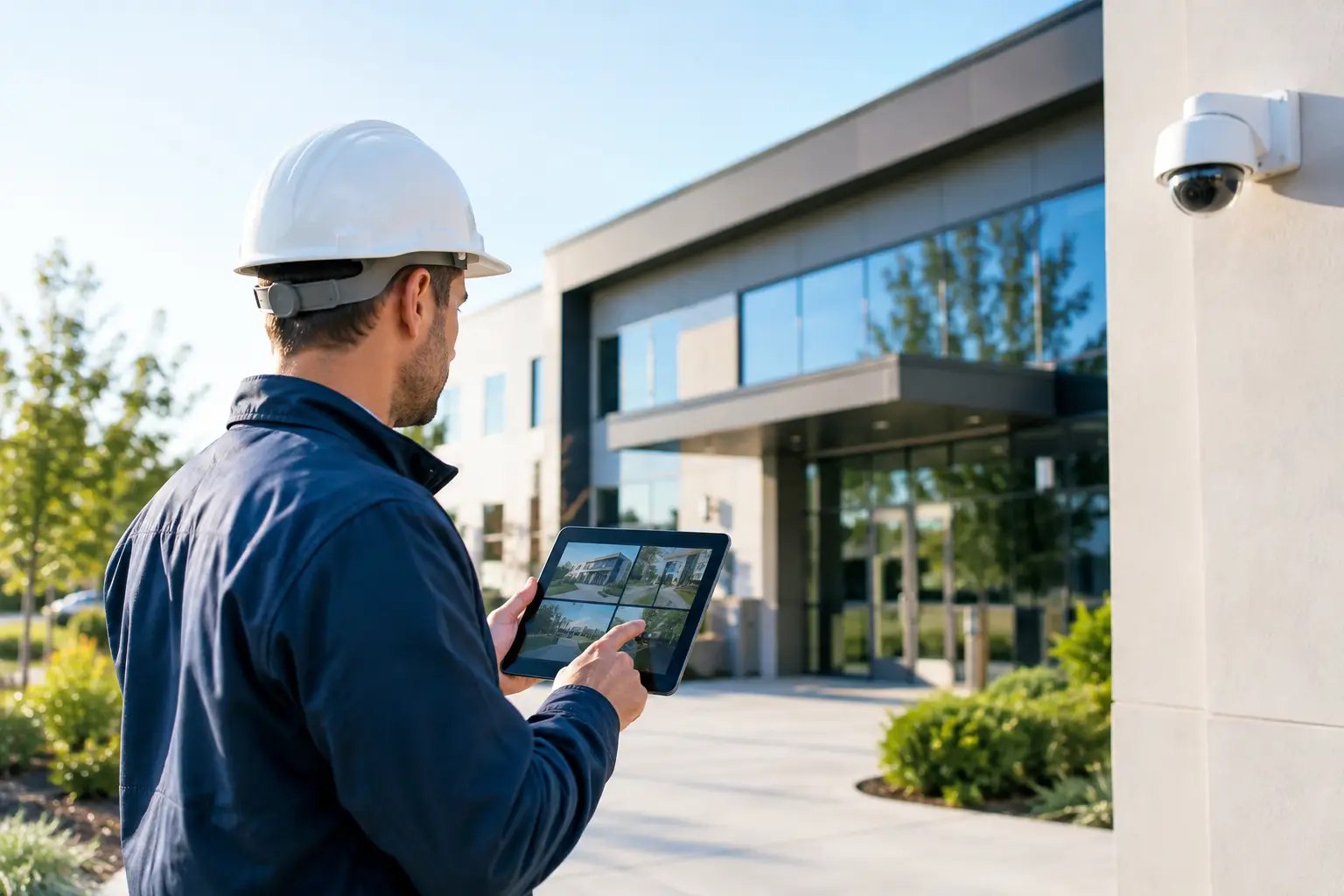
A break-in, assault, theft, or unauthorized entry rarely comes down to one missed detail. It is usually the result of several small gaps: a poorly lit walkway, a door that does not latch, an unmonitored side entrance, unclear staff procedures, or a camera positioned where it cannot help. Professional security assessments bring those gaps into focus before they become an incident.
For a business owner, property manager, school leader, or community organization, the goal is not to turn a property into a fortress. It is to make sound, practical decisions that help protect employees, customers, residents, visitors, property, and daily operations. The right assessment provides a clear picture of current conditions and a realistic path forward.
What a Security Assessment Actually Does
A security assessment is an objective evaluation of a location’s physical security, daily operations, and potential vulnerabilities. It looks beyond whether a building has locks, alarms, or cameras. Those tools can be valuable, but their effectiveness depends on placement, condition, policies, and the people using them.
The assessment process considers how someone enters and exits the property, where they can move once inside, what areas need additional protection, and how staff or residents respond when something feels wrong. It also considers ordinary activity. A secure plan that creates unreasonable delays for customers, residents, or employees will not be followed consistently.
The result should be more useful than a general warning to improve security. Clients need detailed written findings that explain what was observed, why it matters, and which improvements deserve attention first. That allows decision-makers to budget, assign responsibility, and make changes with purpose.
Why Security Assessments Matter Before an Incident
Security planning often becomes urgent after a theft, workplace dispute, trespassing problem, or violent incident. By then, an organization may be making expensive decisions under pressure. A proactive assessment creates room to prioritize improvements based on actual conditions instead of fear, assumptions, or a one-size-fits-all sales pitch.
It can also reveal where existing investments are falling short. A camera system may record a parking lot but leave the most common approach to the building out of view. An access-control system may be installed at the front door while deliveries routinely enter through an unlocked rear entrance. A policy may exist on paper, yet new staff members may not know who to call or what to do when a concern arises.
There is no single security solution that fits every property. A convenience store open late has different concerns than a medical office, apartment community, retail center, school, or office building. The right recommendations account for the property’s use, hours, layout, surrounding environment, staffing level, and history of incidents.
Areas a Professional Assessment May Review
A thorough review begins at the property line and follows the same paths used by customers, employees, residents, vendors, and potential intruders. Conditions can change between daytime and evening, so lighting, visibility, and activity patterns matter as much as the building itself.
Depending on the location, an assessment may examine:
- Exterior lighting, landscaping, fencing, gates, parking areas, sidewalks, signage, and sightlines
- Doors, locks, windows, loading areas, key control, visitor access, and restricted spaces
- Cameras, alarms, intercoms, access-control equipment, and whether systems are properly positioned and maintained
- Employee, resident, contractor, and visitor procedures, including opening and closing routines
- Emergency communication, incident reporting, de-escalation expectations, and coordination with law enforcement or property management
These findings are interconnected. For example, trimming landscaping may improve visibility, but it does not replace functional lighting or a process for reporting suspicious activity. Likewise, installing a camera may support investigations, but it may not prevent someone from entering through an unsecured door. Effective security comes from layers that support one another.
Physical Security Is Only One Part of the Picture
Hardware matters, but people and procedures often determine whether a security plan works in practice. Staff members need to know how to manage deliveries, respond to an aggressive visitor, report a maintenance issue affecting security, and secure the property at the end of the day. Residents should understand how to report broken gates or unfamiliar people in restricted areas without being expected to take unnecessary risks.
This does not mean every organization needs a complicated manual. In many cases, a few clear procedures, consistent communication, and regular follow-through make a meaningful difference. The best approach is one people can use during a busy shift, a late-night closing routine, or a stressful situation.
Security and Customer Service Can Work Together
Some owners worry that stronger security will make a property feel unwelcoming. That concern is reasonable, particularly in retail, healthcare, hospitality, and multifamily settings. Poorly planned measures can frustrate legitimate visitors and create a false sense of safety.
A professional evaluation helps identify balanced options. Better lighting and clearer wayfinding can improve both safety and the customer experience. Controlled access can be appropriate for employee-only areas while keeping public entry simple. Visible staff presence, orderly spaces, and reliable maintenance can communicate that a property is actively managed without making it feel hostile.
What to Expect From the Assessment Process
The process should begin with a conversation about the property and the concerns that prompted the request. A recent incident may be part of that conversation, but so can changes in hours, new tenants, employee concerns, repeated shoplifting, resident complaints, or a desire to prepare before opening a new location.
During the site review, the assessor observes the property, identifies points of access, evaluates environmental conditions, and asks practical questions about normal operations. Honest input from the people who work or live there is valuable because they often know where procedures break down or where activity regularly goes unobserved.
Afterward, the client should receive written findings and practical recommendations. The strongest reports distinguish between immediate concerns and longer-term improvements. A broken lock or obscured emergency exit may require prompt attention. Replacing an entire access-control system may be a longer-term decision that depends on budget, property use, and operational needs.
Recommendations should also be specific enough to act on. Instead of simply advising more cameras, a useful report identifies the areas where coverage is needed and the purpose of that coverage. Instead of recommending better procedures, it explains which routine needs clarification and who should be responsible for it.
Turning Findings Into a Practical Plan
Not every recommendation needs to happen at once. Organizations with limited budgets should start with issues that present the greatest risk and can be addressed quickly. Repairing failed lighting, securing a damaged door, updating a key log, or clarifying after-hours procedures may have a greater immediate impact than a costly project that will take months to complete.
Next, assign ownership. Security improvements can stall when everyone assumes someone else is handling them. Property managers may need to coordinate repairs, while business leaders update procedures and supervisors ensure staff understand the changes. When a recommendation involves tenants, vendors, or outside contractors, expectations should be communicated clearly.
Finally, revisit the plan. Construction, staffing changes, tenant turnover, new equipment, seasonal schedules, and changes in crime patterns can all affect security needs. An assessment is not a permanent certificate that a location is safe. It is a practical snapshot and a starting point for ongoing attention.
Choosing the Right Security Assessment Partner
Experience matters because a recommendation that looks good on paper must work in the real world. Look for an assessor who understands physical security, human behavior, emergency response, and the operational demands of the type of property being reviewed. The assessment should be independent, practical, and focused on the client’s needs rather than on selling a particular product.
It is also worth asking what the final deliverable will include. Clear written findings, prioritized recommendations, and an opportunity to discuss questions help clients move from observation to action. For organizations in Central New Jersey and beyond, East Coast Safety Consulting provides professional assessments grounded in law-enforcement and emergency-response experience, with recommendations designed to be understood and used.
A safer property is built through attentive management, informed employees, and decisions made before a problem forces the issue. Scheduling an assessment gives your organization a clearer view of what needs attention now and what can be planned with confidence.