
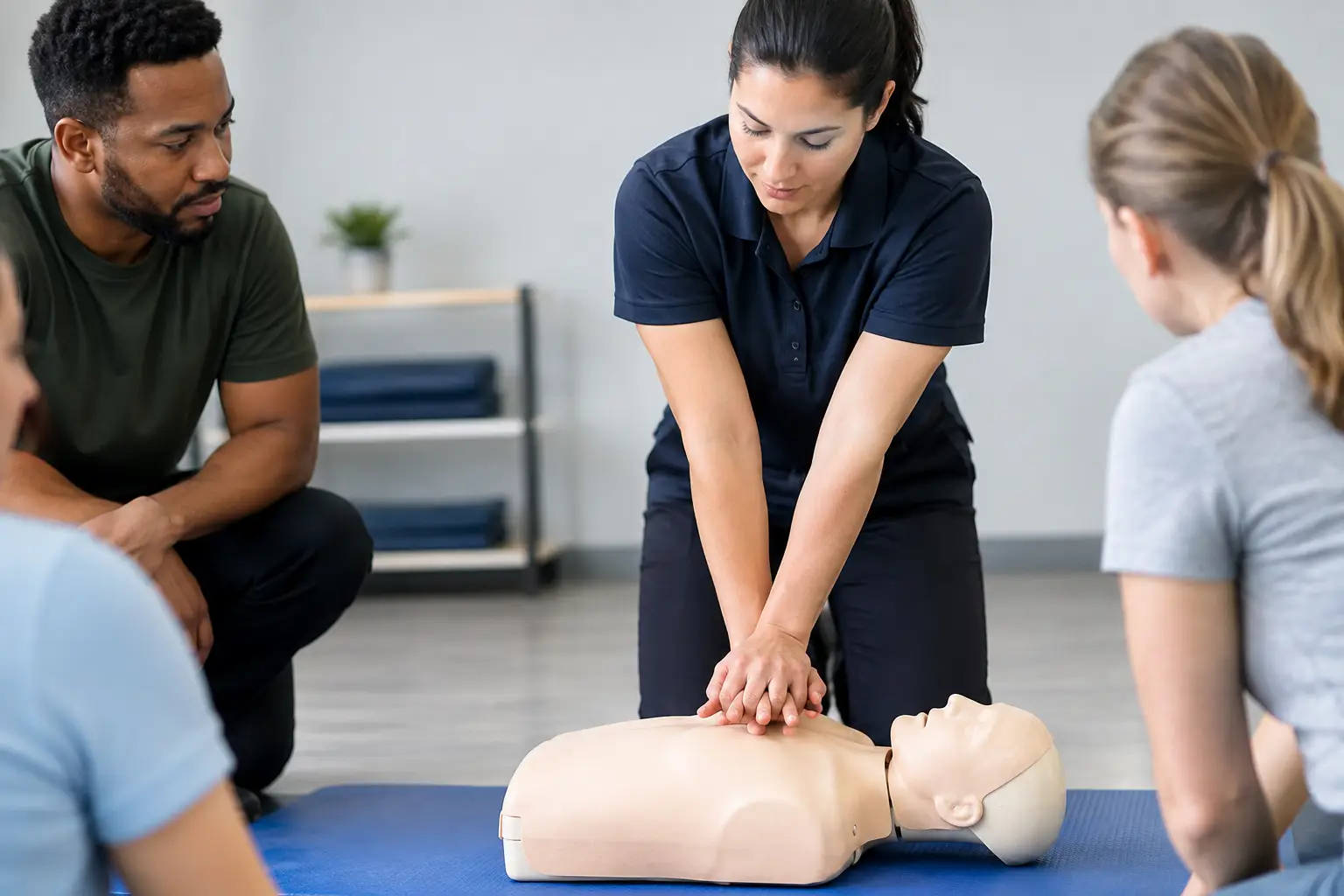
A CPR instructor card is only the beginning. To teach American Heart Association courses, issue course completion cards, and build a dependable training schedule, instructors need an affiliation with an approved Training Center. That is why choosing among CPR instructor affiliation options deserves more attention than a quick price comparison.
The right affiliation can help you stay organized, meet program requirements, solve class-management problems, and grow from occasional courses into a professional training business. The wrong fit can leave you waiting for support, unclear on fees, or limited in the types of classes you can offer.
What CPR Instructor Affiliation Means
For American Heart Association instructors, affiliation means formally aligning with an authorized Training Center. The Training Center provides the administrative structure that allows instructors to teach within the AHA program. It may process course rosters, issue eCards, manage monitoring requirements, communicate policy updates, and provide resources for instructors.
Affiliation is not the same as instructor certification. You must first meet the requirements for the discipline you want to teach, complete the applicable instructor course, and complete initial monitoring as required. Once qualified, you align with a Training Center that supports that discipline, such as BLS, Heartsaver, or other approved programs.
The details matter. A Training Center may be an excellent fit for a hospital-based educator who teaches internal staff, yet not be designed to support an independent instructor teaching evening and weekend community classes. Before committing, consider how and where you expect to teach six months from now, not only what you need this week.
Main CPR Instructor Affiliation Options
Affiliate with a Training Center as an independent instructor
This is often the most practical path for instructors who want to operate their own classes. You maintain your own schedule, market your services, work with clients, and may teach at workplaces, schools, medical offices, gyms, community sites, or private homes when appropriate. Your affiliated Training Center handles the program oversight required for course completion cards and instructor compliance.
Independence offers flexibility, but it also comes with responsibility. You will need to manage student communication, equipment, course materials, records, cancellations, and business expenses. Ask whether the Training Center offers guidance when a roster issue, eCard question, or policy change affects one of your classes. Responsive support is especially valuable when you are building momentum.
This option generally suits instructors who want to grow a CPR training business, add classes around another career, or serve several client types in their local area.
Teach through an employer or institutional Training Center
Hospitals, EMS agencies, colleges, large healthcare organizations, and some public safety departments may maintain their own Training Center structure. In this model, you typically teach employees, students, volunteers, or members of that organization.
The advantages are clear: classes may already have a built-in audience, administrative processes may be established, and equipment may be available on site. The trade-off is that your teaching activity can be limited to the organization’s needs. You may not have the freedom to schedule public classes or serve outside clients under that affiliation.
This arrangement can be ideal for an educator whose goal is supporting a single workplace. It may be less suitable for someone seeking a portable, independent business model.
Align with a Training Center that provides business support
Some Training Centers do more than process paperwork. They actively support instructors with professional guidance, class-management resources, monitoring assistance, equipment recommendations, and help understanding how to organize a sustainable training operation.
For a new instructor, this level of support can shorten the learning curve. You are still responsible for delivering strong classes and building client relationships, but you are not left to interpret every administrative issue alone. For an experienced instructor, this type of affiliation can be valuable when expanding into new markets, adding instructors, or increasing class volume.
Support should be specific, not vague. Ask how quickly questions are answered, whether help is available before and after a class, how instructor monitoring is handled, and whether the Training Center has experience supporting independent instructors nationwide. A low fee is not always a low-cost choice if routine problems consume hours of your time.
Build or operate your own Training Center
For established training companies with significant volume, becoming a Training Center may be a long-term goal. This path offers greater administrative control, but it also carries higher responsibility. Training Centers must meet AHA requirements, maintain proper oversight, manage records, support affiliated instructors, and stay current with program policies.
It is not the automatic next step for every successful instructor. If your primary goal is teaching, client service, and local business development, affiliating with a strong Training Center can be more efficient than taking on the administrative obligations of operating one. Consider this option only when your class volume, staff capacity, and operational systems justify it.
How to Compare Instructor Affiliations
Start with the courses you intend to teach. A healthcare professional who plans to teach BLS to clinical teams has different needs than an instructor focused on Heartsaver CPR, AED, and First Aid for childcare providers, workplaces, parents, and community groups. Confirm that the Training Center supports each discipline you plan to offer.
Next, understand the fee structure. Costs may include affiliation fees, monitoring fees, eCard charges, equipment expenses, course materials, and renewal-related costs. There is nothing wrong with fees when they are clearly explained and tied to meaningful support. What creates problems is discovering charges only after you have scheduled students.
Also ask about operational expectations. Find out how quickly rosters must be submitted, what documentation you must retain, whether you can set your own course prices, how eCards are issued, and what happens if a class has a correction or student complaint. These are routine business questions, but they affect your reputation.
Finally, consider the relationship. A Training Center should protect program standards while treating instructors like professionals. You want clear expectations, timely communication, and a knowledgeable point of contact who understands that each course card represents a real person who may need to act in an emergency.
Questions to Ask Before You Align
Before selecting an affiliation, get straightforward answers to these questions:
- Which AHA disciplines can I teach through your Training Center?
- What are all affiliation, eCard, monitoring, and administrative fees?
- Can I teach public, private, and on-site workplace classes under this affiliation?
- How do you handle initial and renewal monitoring?
- What support is available for rosters, eCards, student records, and policy questions?
- May I use my own equipment and set my own class prices?
- What response time can I expect when I need help?
A professional Training Center will welcome these questions. Clear answers demonstrate that the organization has dependable systems and respects the instructor’s role.
Choosing the Right Fit for Your Goals
There is no single best affiliation for every CPR instructor. An employer-based affiliation may be the right choice when you teach only internal staff. An independent affiliation is often better when you want to serve a broad community, build your own client base, and control your schedule. A support-focused Training Center can be especially helpful if you want the freedom of independence without having to solve every operational problem alone.
East Coast Safety Consulting supports American Heart Association instructors nationwide with instructor alignment, professional guidance, and practical resources for building or expanding a training business. The focus is not simply on getting an instructor connected. It is on helping instructors stay prepared, organized, and confident while delivering high-quality lifesaving education.
Choose an affiliation that gives you room to teach well, respond professionally, and grow at a pace that fits your goals. Your students will remember the quality of the training they receive, and your business will benefit from the trust that quality creates.