
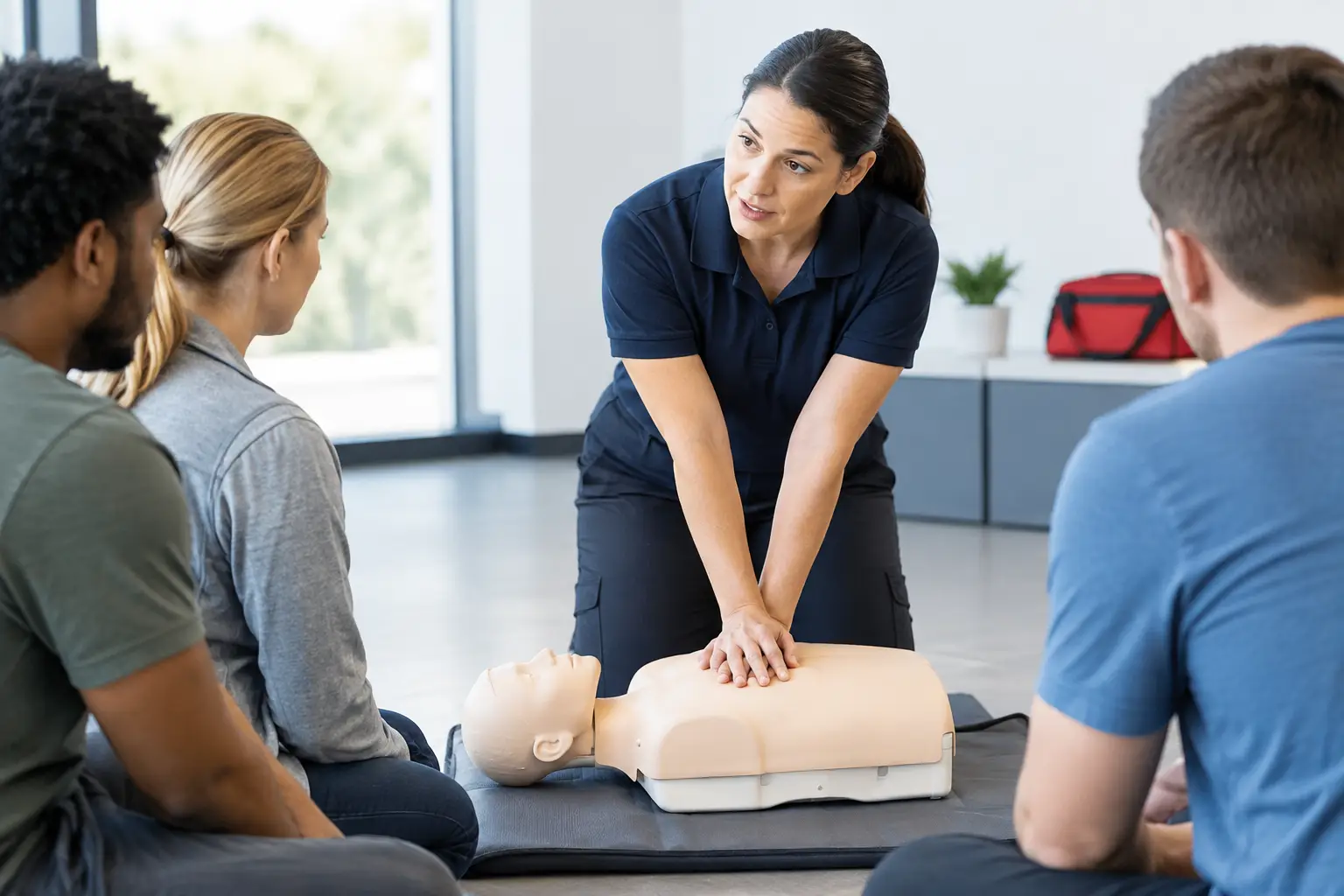
A BLS card shows that you can perform lifesaving skills. Becoming an instructor means you can teach those skills clearly, evaluate performance fairly, and help other people respond when seconds matter. If you are researching how to become a BLS instructor, the path is straightforward, but choosing the right training center and support system can make a major difference in how confidently you begin teaching.
For healthcare professionals, experienced CPR providers, and entrepreneurs building a training business, BLS instruction can be a meaningful way to serve local workplaces, medical offices, schools, and communities. It also carries real responsibility. Your students may be preparing for a job requirement, a clinical role, or an emergency they never expected to face.
Start With Strong BLS Provider Skills
Before you teach Basic Life Support, you need to be fully comfortable performing it. Most instructor pathways require a current provider-level BLS certification from the organization whose curriculum you plan to teach. For many candidates, that means completing or holding a current American Heart Association BLS Provider course.
The provider course is more than a box to check. It gives you the foundation for teaching adult, child, and infant CPR; using an AED; responding to choking; working effectively in a team; and understanding the chain of survival. As an instructor, students will watch how you demonstrate each skill, listen to how you explain it, and look to you for practical answers. A current card alone is not enough if you cannot explain why correct compression depth, rate, recoil, and team communication matter.
If your BLS skills are rusty, take a provider course before beginning instructor training, even if you still have time left on an older certification. Starting with fresh, hands-on practice makes the instructor process more productive.
Understand the BLS Instructor Pathway
The exact requirements depend on the certifying organization and its current policies. For an American Heart Association BLS instructor pathway, candidates generally need to hold a current AHA BLS Provider completion card, complete the appropriate Instructor Essentials course, be accepted or aligned with an authorized Training Center, and successfully complete a monitored teaching experience.
Instructor Essentials prepares you for the work beyond demonstrating CPR. You learn how to follow the required course format, use official materials, manage equipment and skills stations, test students appropriately, maintain records, and address common classroom situations. The course also covers the responsibilities that come with representing a nationally recognized training program.
After Instructor Essentials, new instructors typically teach with oversight. A Training Center Faculty member or an experienced evaluator observes your class and confirms that you can organize the session, present material accurately, coach students effectively, and assess skills according to program standards. This monitored step is valuable. It turns knowledge into teaching confidence while protecting the quality of the student experience.
Why Training Center Alignment Matters
A Training Center is not simply where your instructor card is processed. It is your operational home within the certification program. The right alignment provides guidance on policies, access to required materials and eCards, support with class management, and help when a question comes up before or after a course.
This is especially important if you plan to teach independently. You may need to manage course scheduling, student rosters, equipment, manikins, AED trainers, cleaning procedures, and documentation. A responsive Training Center helps new instructors learn these systems without feeling like they are figuring out every detail alone.
Before aligning, ask practical questions. How quickly are instructor questions answered? What are the fees and renewal expectations? Is guidance available as you schedule your first courses? What resources are available for instructors who want to grow a training business? These details can affect your experience long after your initial monitoring is complete.
Build the Skills That Make a Good Instructor
Technical accuracy is essential, but good instructors also know how to communicate. Your class may include nurses and medical assistants who need certification for work, alongside dental office staff, fitness professionals, daycare employees, or workplace teams who have very different levels of experience.
Strong BLS instructors keep the environment professional without making students afraid to ask questions. They give concise demonstrations, watch closely during practice, offer specific corrections, and keep the course moving at an appropriate pace. They also know that a student who has never performed CPR may need calm coaching, while an experienced clinician may need help adjusting an old habit to meet the current standard.
Practice teaching before your monitored course. Explain a skill aloud to a friend or colleague. Set up a manikin station, demonstrate the sequence, and ask yourself whether your directions are clear enough for a beginner. Record yourself if possible. You may notice that you move too quickly, use unnecessary jargon, or give several instructions at once.
Decide What and Where You Want to Teach
Your goals should shape your instructor setup. Some instructors teach occasional courses for an employer, medical office, school, fire department, or community group. Others build a business offering public classes, private training, and on-site workplace programs. Both approaches are worthwhile, but they require different levels of planning.
If you are teaching for an employer, confirm whether the organization will supply equipment, classroom space, student registration, and administrative support. If you are working independently, you will need dependable equipment and a plan for marketing, scheduling, payment processing, recordkeeping, and student communication.
BLS is often required by healthcare employers, but demand can extend beyond hospitals and clinics. Medical and dental practices, surgical centers, childcare programs, home health agencies, fitness facilities, schools, and community organizations may all need quality training. In areas such as Central New Jersey, convenient on-site classes can be especially valuable for busy teams that cannot easily send staff to separate public sessions.
Invest in Equipment and Professional Standards
Your equipment affects the quality of every class. Students need enough practice time, which means having appropriate manikins, AED trainers, barrier devices, cleaning supplies, and course materials for the size of your class. A crowded skills station may save money at first, but it can reduce hands-on practice and create a poor learning experience.
You also need to protect your professionalism. Use the approved curriculum, teach within your instructor authorization, maintain certifications and required updates, and keep complete records. Do not promise a course format or certification timeline you cannot deliver. If same-day certification is available through your Training Center for eligible courses, explain the process clearly so students know what to expect.
Your real reputation is built in the details: arriving prepared, starting on time, maintaining clean equipment, responding to questions respectfully, and issuing accurate documentation. Those habits are what encourage employers and students to book with you again.
How to Become a BLS Instructor With Long-Term Confidence
The first class is usually the hardest because you are balancing instruction, time management, skill evaluations, and course paperwork at once. It gets easier with repetition, preparation, and feedback. After each course, take a few minutes to consider what went well and what could improve. Did everyone get enough practice? Were your demonstrations easy to follow? Did the course run on time?
Keep learning after you earn your instructor status. Review program updates, refresh your own provider skills, and seek feedback from experienced instructors. If you want to teach larger groups or expand into CPR, AED, First Aid, or Heartsaver programs, make sure you complete the required training and alignment steps for each discipline rather than assuming one credential covers every course.
East Coast Safety Consulting supports American Heart Association instructor candidates and instructors nationwide with certification pathways, alignment, class-management guidance, and practical support for those starting or expanding a training business. The goal is not just to help you receive an instructor card. It is to help you lead classes that students trust, remember, and use when it counts.
Becoming a BLS instructor is a commitment to preparedness in your community. Begin with current skills, choose support that fits your goals, and treat every class as an opportunity to give someone the confidence to act.