
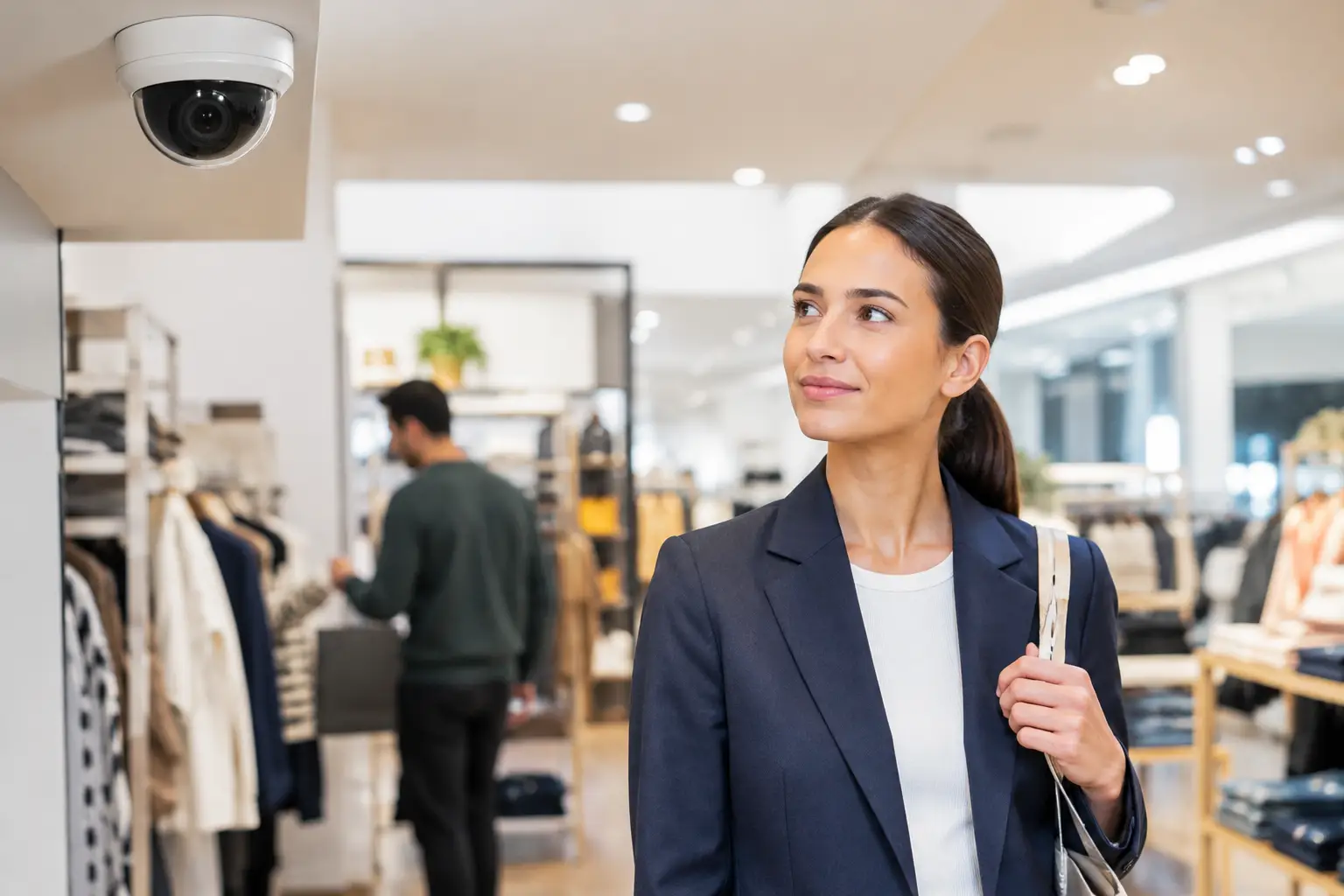
A missing item, a tense customer interaction, or an unsecured back door can become a much larger problem in minutes. Effective retail security improvements are not limited to cameras or loss-prevention policies. They are practical, layered decisions that help protect the people working in the store, the customers walking through it, and the operation that keeps it open.
For store owners and managers, the goal is not to make a business feel unwelcoming. It is to create an environment where employees know what to do, risks are easier to spot, and problems can be addressed before they become emergencies.
Start With a Clear Picture of Your Risks
Every retail location has a different risk profile. A convenience store open late at night faces different concerns than a boutique, a pharmacy, a shopping center tenant, or a large-format store with multiple entrances. Store hours, staffing levels, cash handling, local activity, building layout, inventory type, and prior incidents all affect what should be prioritized.
Before buying equipment or rewriting policies, examine how the store actually operates. Walk the property during opening, peak hours, closing, and after dark. Look at the customer entrance, parking area, delivery access, stockroom, restrooms, cash-wrap area, employee-only spaces, and exterior doors. Ask employees where they feel exposed, where visibility is poor, and when they have encountered concerning behavior.
Incident reports can be especially useful. Repeated shoplifting, refund fraud, verbal confrontations, vandalism, trespassing, or unsecured deliveries may point to patterns that a general security plan misses. The right response is rarely one-size-fits-all. A store experiencing after-hours trespassing may need stronger exterior controls, while a location dealing with frequent confrontations may benefit more from staff training and clearer response procedures.
Retail Security Improvements Begin With Visibility
Good visibility is one of the most practical deterrents available. Employees should be able to see key areas of the sales floor, entrances, registers, and customer service points without obstacles created by displays, signage, or poorly arranged fixtures. High-value merchandise and easily concealed items deserve particular attention.
Keep aisles orderly and avoid creating blind corners near exits. Mirrors can assist in limited areas, but they should support employee awareness rather than replace it. Placement matters. A camera or mirror that does not provide a useful view of the space will not solve the problem.
Lighting deserves the same level of attention. Customers and employees should be able to see clearly in parking lots, sidewalks, entrance areas, trash enclosures, loading zones, and rear doors. Replace failed fixtures promptly and consider whether landscaping, signs, or stored materials block sightlines. Better lighting can improve comfort, discourage certain unwanted activity, and make surveillance footage more useful when an incident occurs.
Use Cameras and Access Controls With a Purpose
Security technology works best when it supports a defined operational need. Cameras should cover entrances, cash-handling areas, sales floors, receiving locations, exterior approaches, and other identified points of concern. Image quality, lighting conditions, retention periods, camera angles, and the ability to retrieve footage quickly are as important as the number of cameras installed.
Do not assume a visible camera automatically provides protection. Staff should know who can access recorded video, how to preserve footage after an incident, and when management or law enforcement should be contacted. Review coverage periodically, especially after a remodel, display reset, or change in store layout.
Access control should also match the location. Exterior and employee-only doors must close and latch reliably. Keys, alarm codes, and access cards should be limited to people who truly need them, with access removed promptly when employment ends. Delivery doors should not be propped open for convenience. That practice may save a few steps, but it can create an avoidable security gap.
Give Employees Procedures They Can Actually Use
A security plan is only useful when employees can remember it under pressure. Long manuals are not enough. Staff need simple, role-specific procedures for opening and closing, cash handling, suspicious activity, disruptive customers, medical emergencies, robbery response, evacuation, and calling for help.
Training should emphasize observation, communication, and personal safety. Employees should understand how to acknowledge customers professionally, request assistance from a supervisor, maintain distance during a confrontation, and recognize when a situation has moved beyond what store staff should handle. No product, cash amount, or policy violation is worth an employee or customer getting hurt.
Opening and closing procedures deserve special attention because staffing may be limited. Employees should avoid arriving or leaving alone when possible, check the exterior before entering, keep doors secured, and report unusual vehicles, people, or conditions. Managers should also establish a clear check-in process for employees working late shifts or handling deposits.
Train for De-Escalation, Not Confrontation
Retail employees regularly deal with frustrated customers, declined payments, return disputes, suspected theft, and people who may be experiencing a personal or behavioral health crisis. Calm, respectful communication can reduce tension, but it is not a guarantee that every situation will resolve safely.
Teach employees to use a steady voice, avoid arguing, offer reasonable options when appropriate, and call for support early. They should not corner someone, make threats, touch a person, or attempt to physically detain them unless they are specifically trained, authorized, and operating within company policy and applicable law. In many situations, creating distance and contacting law enforcement is the safer decision.
Strengthen Cash and Inventory Practices
Cash handling is a predictable area of vulnerability, particularly for stores with late hours, high transaction volume, or limited staffing. Keep register cash to the minimum needed for business, perform safe drops when appropriate, vary deposit routines, and avoid discussing cash procedures where customers can overhear.
Inventory controls also matter. Frequent counts, organized receiving procedures, secured storage for high-value goods, and documented transfer processes make discrepancies easier to identify. Employees should know how to report suspected internal theft or process irregularities without fear of retaliation.
The goal is accountability, not unnecessary suspicion. Strong controls protect honest employees as well as the business because they clarify expectations and reduce opportunities for misunderstandings or false accusations.
Extend Security Beyond the Sales Floor
Customers often form their impression of safety before they reach the front door. Parking lots, sidewalks, shared common areas, dumpsters, loading zones, and neighboring businesses can all influence risk. Property owners, tenants, and managers may need to coordinate when responsibility for these spaces is shared.
Maintain clear address visibility for emergency responders. Keep fire lanes, exits, and access routes unobstructed. Inspect fences, gates, exterior doors, and rear areas for damage or signs of unauthorized entry. If a store is located in a plaza or mixed-use property, communicate with neighboring businesses about recurring concerns and appropriate reporting channels.
A professional security assessment can be valuable when a business is unsure where to begin, has experienced a serious incident, or needs an objective review of the property. An experienced assessor can identify vulnerabilities that are easy to overlook during the normal pace of daily operations and provide practical written recommendations based on the location’s actual needs.
Review the Plan After Incidents and Changes
Security is not a one-time project. A new manager, different operating hours, an expanded product line, a remodel, or a nearby change in the community can alter a store’s exposure. Review procedures after incidents, even when no one was injured and no major loss occurred. A near miss can reveal a weakness before it becomes a serious event.
Invite staff input during these reviews. Frontline employees often notice broken locks, blind spots, inconsistent procedures, or recurring customer issues first. When they see that concerns lead to meaningful action, they are more likely to report future problems promptly.
East Coast Safety Consulting provides professional security assessments designed to help retail businesses identify vulnerabilities and make practical improvements. The strongest retail security improvements are the ones your team can sustain every day: clear procedures, well-maintained spaces, trained employees, and a plan that puts people first.